

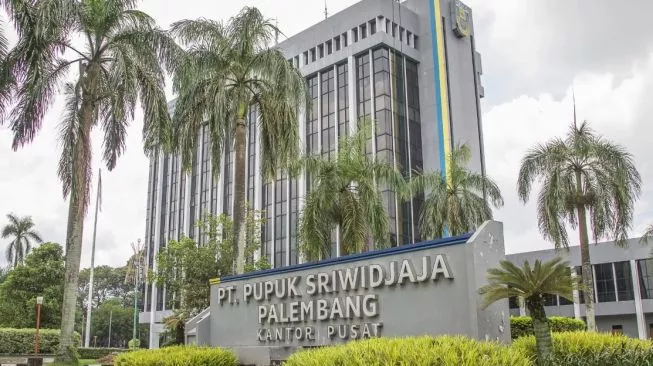

Aspirasimediarakyat.com — Whispers of corruption at PT Pupuk Sriwijaya Palembang (PT PSP) have erupted into loud accusations, painting a picture of rot within one of the nation’s most prominent state-owned fertilizer companies. For years, insiders allege, the company has been ruled not by good governance but by suit-clad plunderers who quietly siphoned resources while workers and the public bore the costs.
Allegations of entrenched corruption are now gaining traction. Sources familiar with the company describe a systemic failure where accountability mechanisms appear either weak or entirely absent. Instead of transparency, the company allegedly fostered an environment where misconduct became normalized.

Employees and stakeholders, many of whom spoke under condition of anonymity, detail recurring patterns of abuse. These range from the misuse of corporate funds to favoritism in hiring and promotions, along with procurement contracts tainted by questionable practices.
“These are not isolated incidents,” said one source close to the matter. “It’s part of a broader culture that has been tolerated for far too long. Workers feel trapped, while management shields itself from scrutiny.”
“The allegations raise serious questions about PT PSP’s compliance with Indonesia’s corporate governance frameworks. Under prevailing regulations, including Law No. 40/2007 on Limited Liability Companies, directors are obligated to act in the best interests of the company and its stakeholders. Mismanagement and corruption, if proven, would constitute a serious breach of these duties.
Adding weight to the concerns, civic groups in Palembang are pushing for intervention from the Corruption Eradication Commission (KPK). Their call reflects a broader frustration with regional enforcement agencies that, critics argue, have been slow to act in similar cases.
“This cannot be swept under the rug,” said a representative of a local transparency NGO. “Chronic corruption is not just about lost money—it’s about a lost future. The longer you ignore it, the more damage it inflicts.”
For many in Palembang, the issue has become deeply personal. The city’s economy, already under pressure from inflation and job scarcity, now faces the additional weight of uncertainty about one of its central state-owned institutions.
Legal experts also weigh in, noting that corruption cases of this scale often violate multiple statutes, from the Anti-Corruption Law (Law No. 31/1999 jo. Law No. 20/2001) to procurement regulations under Presidential Regulation No. 16/2018. The possibility of collusion in tender processes is particularly concerning.
In the middle of this storm, PT PSP has maintained silence. No official statement has been issued despite mounting media inquiries. This silence, analysts argue, only amplifies suspicion and undermines public trust.
Meanwhile, public discourse has turned bitter. Workers question whether their contributions have been undervalued, while communities wonder if promised economic benefits have been quietly diverted into private pockets.
“This is not simply about money,” said another insider. “It’s about dignity, fairness, and the right to work in an environment free from exploitation.”
“At the heart of the controversy is the question of oversight. Corporate boards are mandated to monitor and prevent abuses, yet allegations suggest either a breakdown or outright complicity. Here lies the sharpest contrast: while the law demands accountability, insiders describe a system where leeches draining the people’s lifeblood have siphoned resources unchecked.”
Calls for investigation are also tied to reputational risk. Investors and partners often view corruption scandals as red flags, which can drive away capital and undermine long-term projects. For Palembang’s industrial ecosystem, this could translate into fewer jobs and reduced growth.
The issue is not just corporate—it is civic. Civil society organizations emphasize that unchecked corruption erodes democracy itself, weakening public confidence in institutions and encouraging impunity.
Government regulators face growing pressure. If local authorities fail to act decisively, it could invite criticism of selective enforcement, a problem long associated with Indonesia’s uneven record on corruption cases.
“This is a test,” argued a legal scholar from a Palembang university. “Do the authorities have the will to confront a powerful state-owned enterprise, or will they look away once again?”
The community is watching closely. For many, the stakes are about more than compliance—they are about whether justice can penetrate corporate boardrooms traditionally shielded from scrutiny.
And so the narrative circles back to accountability. In the eyes of critics, PT PSP risks becoming not just a state-owned company under suspicion, but a symbol of systemic decay. If reforms and investigations fail to materialize, the company will be remembered less as an industrial pillar and more as big-time thieves cloaked in corporate respectability—thriving while ordinary citizens struggle to survive. (Sukarno)